Why Old Cartoons Felt Better — And It Wasn’t Just Nostalgia
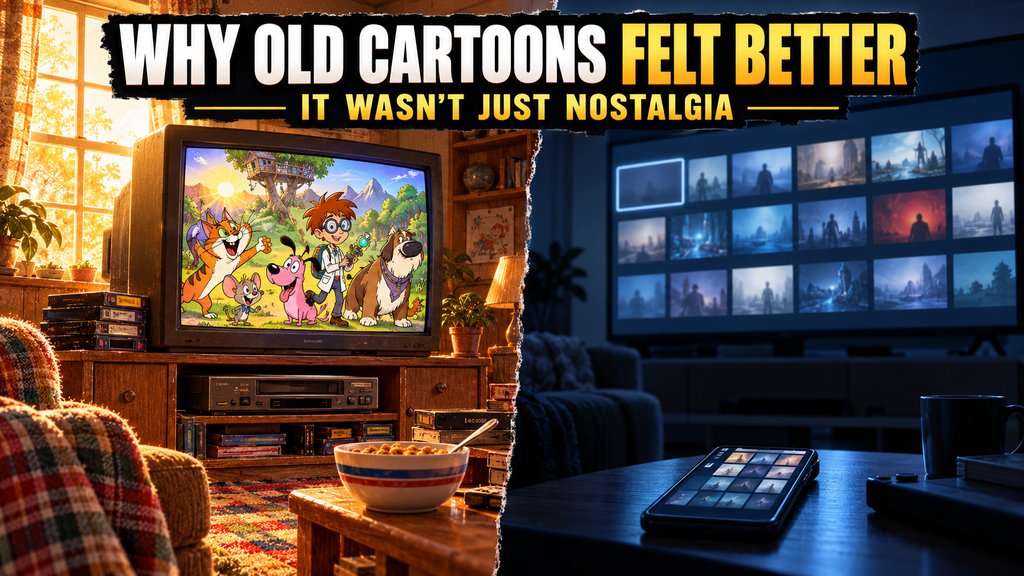
Why Old Cartoons Felt Better — And It Wasn’t Just Nostalgia
There is a particular feeling that appears when an old cartoon begins.
Maybe it is the sound of its opening theme. Maybe it is the slightly imperfect animation, the familiar colors, or the memory of sitting in front of a television before school. Within seconds, the room around us seems to change.
For years, people have explained this feeling with one word: nostalgia.
But nostalgia is only part of the answer.
Old cartoons did not necessarily contain better stories than everything made today. They existed inside a completely different way of watching television—and that experience changed how deeply we remembered them.
We Had to Wait for Them
Today, almost any episode can be played immediately. A complete season can be watched in one evening, paused whenever we want, or abandoned after a few minutes.
Old cartoons followed a schedule.
If an episode aired on Saturday morning, after school, or late at night, viewers had to be there. Missing it could mean waiting days—or even months—for another chance.
That waiting created anticipation.
The opening theme did not simply announce another piece of content. It announced that the moment we had been waiting for had finally arrived.
Scarcity made each episode feel more valuable.
Cartoons Were Connected to Daily Life
We often remember more than the cartoon itself.
We remember the cereal bowl on the table, the weather outside, the old television in the corner, or the sound of someone moving through the house while we watched.
Cartoons became connected to routines.
Tom and Jerry might remind someone of mornings before school. Courage the Cowardly Dog may bring back the strange feeling of watching television alone at night. Ed, Edd n Eddy can instantly return viewers to long summer afternoons that seemed as if they would never end.
Those surroundings became part of the memory.
When we return to an old cartoon, we are not only revisiting its characters. We are briefly revisiting the person we were when we first met them.
Limited Choice Made Us Pay Attention
Television once offered fewer options.
Viewers could change the channel, but they could not scroll through an endless library of recommendations. If nothing else was playing, they often watched an episode they had already seen.
That repetition created familiarity.
We learned every joke, sound effect, background, and line of dialogue. Minor characters became unforgettable. Even channel bumpers and commercial breaks remained in our memories.
Today, having more choice is convenient. But endless choice also makes it easier to leave something the moment it slows down.
Old television encouraged us to stay.
Sometimes we discovered our favorite episodes simply because they were the ones being shown.
The Imperfections Gave Cartoons Personality
Many older cartoons were created with traditional drawing and painting techniques or early digital systems that preserved the feeling of hand-made artwork.
Lines moved slightly between frames. Backgrounds had visible texture. Colors were not always perfectly clean, and characters could stretch into exaggerated shapes that ignored realism.
Those imperfections gave every show a recognizable identity.
You could identify Dexter’s Laboratory, The Powerpuff Girls, Scooby-Doo, or Hey Arnold! from a single image. Their worlds were not designed to look realistic. They were designed to express personality.
Modern animation can be extraordinarily beautiful, but technical perfection does not automatically create emotional warmth.
Sometimes the small irregularities are what make an image feel alive.
The Space Between Episodes Was Part of the Experience
Older cartoon channels did more than broadcast shows.
They built complete identities around them.
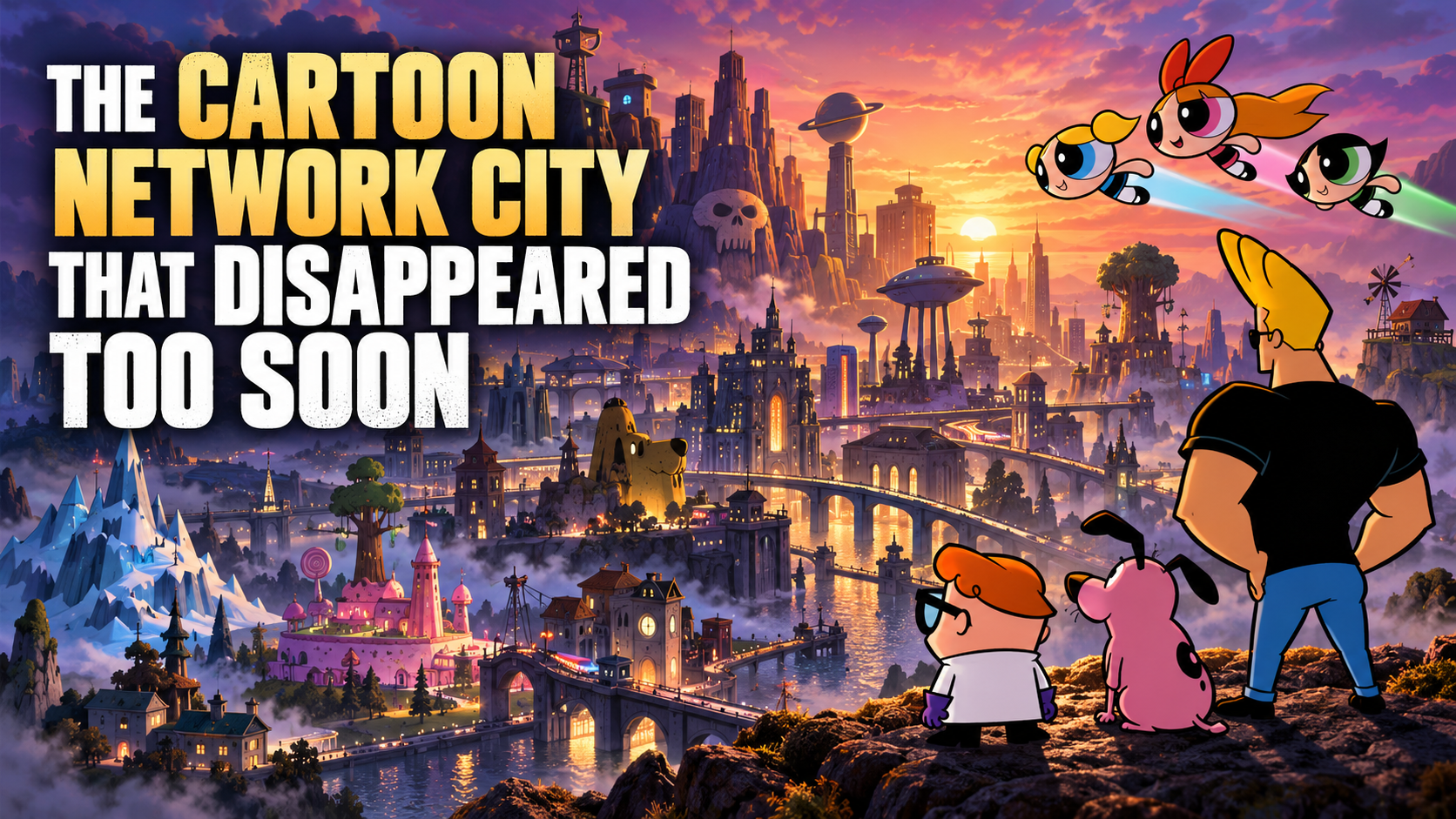
Short bumpers, seasonal promotions, announcers, logos, and unusual character crossovers made the channel itself feel like a world. During the Cartoon Network City era, characters from separate shows appeared to live together in one connected place.
Even waiting for the next episode could be entertaining.
These moments were brief, but they made the cartoons feel connected to something larger. The channel was not simply an application containing videos. It felt like a destination we visited every day.
Everyone Watched the Same Thing
Scheduled television created shared moments.
Children at school could talk about an episode because many of them had watched it at approximately the same time. They repeated the same jokes, argued about favorite characters, and waited together for what would happen next.
Streaming gives each viewer greater freedom, but it can also separate audiences into thousands of individual viewing experiences.
Old cartoons became cultural memories because so many people encountered them together.
Years later, a single image or theme song can connect complete strangers who remember the same childhood moment.
Nostalgia Does Change the Picture
Of course, nostalgia still matters.
Memory does not preserve every boring morning, weak episode, or frustrating commercial break equally. It keeps the moments that carried the strongest emotions and allows less important details to fade.
We remember the comfort more clearly than the waiting.
We remember our favorite episodes more easily than the forgettable ones.
That does not make the feeling false. It explains why returning to an old cartoon can be so powerful. The show has become connected to friendships, family, safety, imagination, and a version of life that seemed simpler.
The cartoon remained the same.
We were the ones who changed.
Maybe We Are Searching for the Feeling, Not the Show
When adults return to the cartoons they loved, they may believe they are searching for old characters or forgotten episodes.
Often, they are searching for something deeper.
They are searching for mornings without responsibilities. For afternoons that moved slowly. For the excitement of discovering a new episode without already knowing everything about it.
Old cartoons felt better because watching them required time, patience, and imagination. They became part of our routines and grew alongside us.
Nostalgia opens the door, but the world behind it was real.
Those cartoons did not only entertain us.
They became part of how we remember being young.

Post Comment